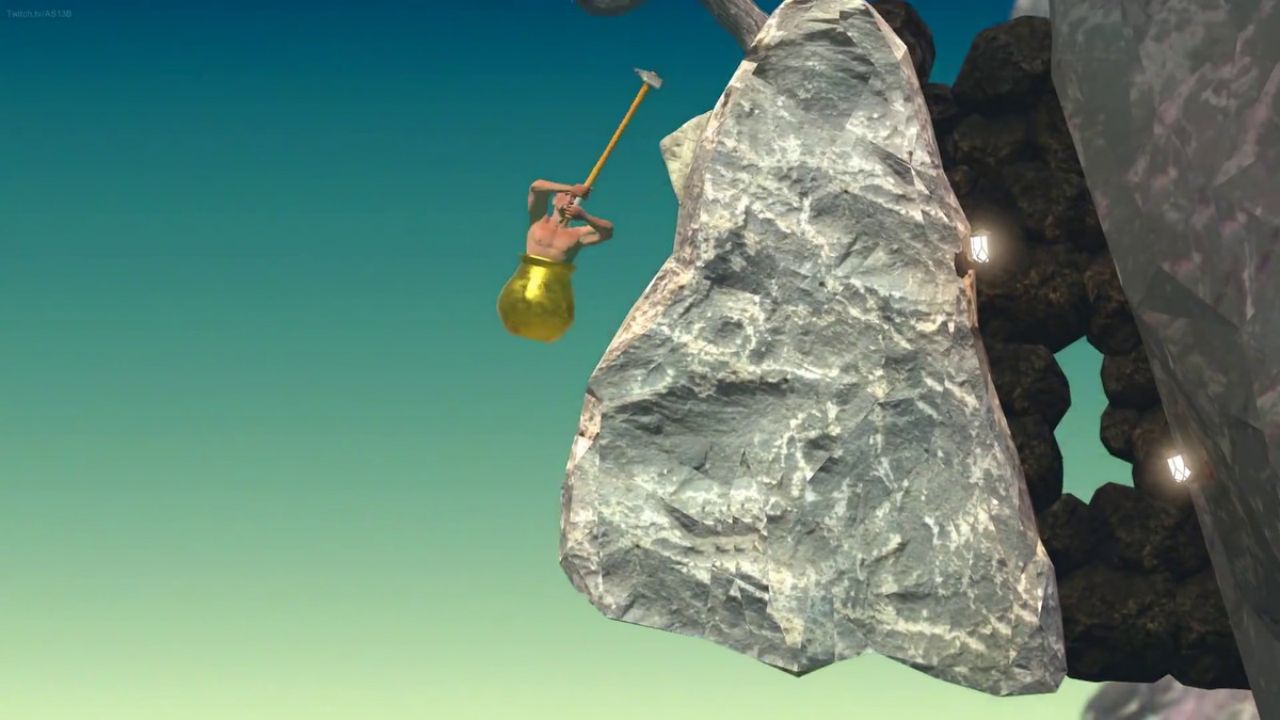
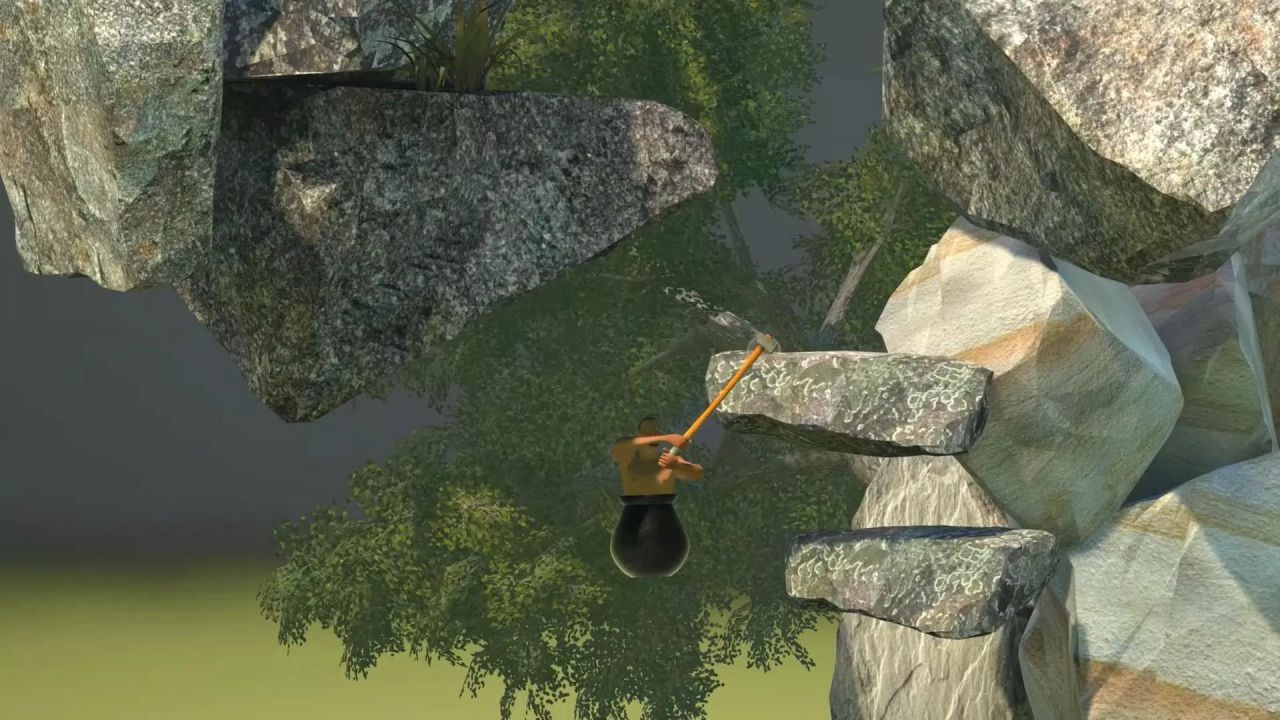
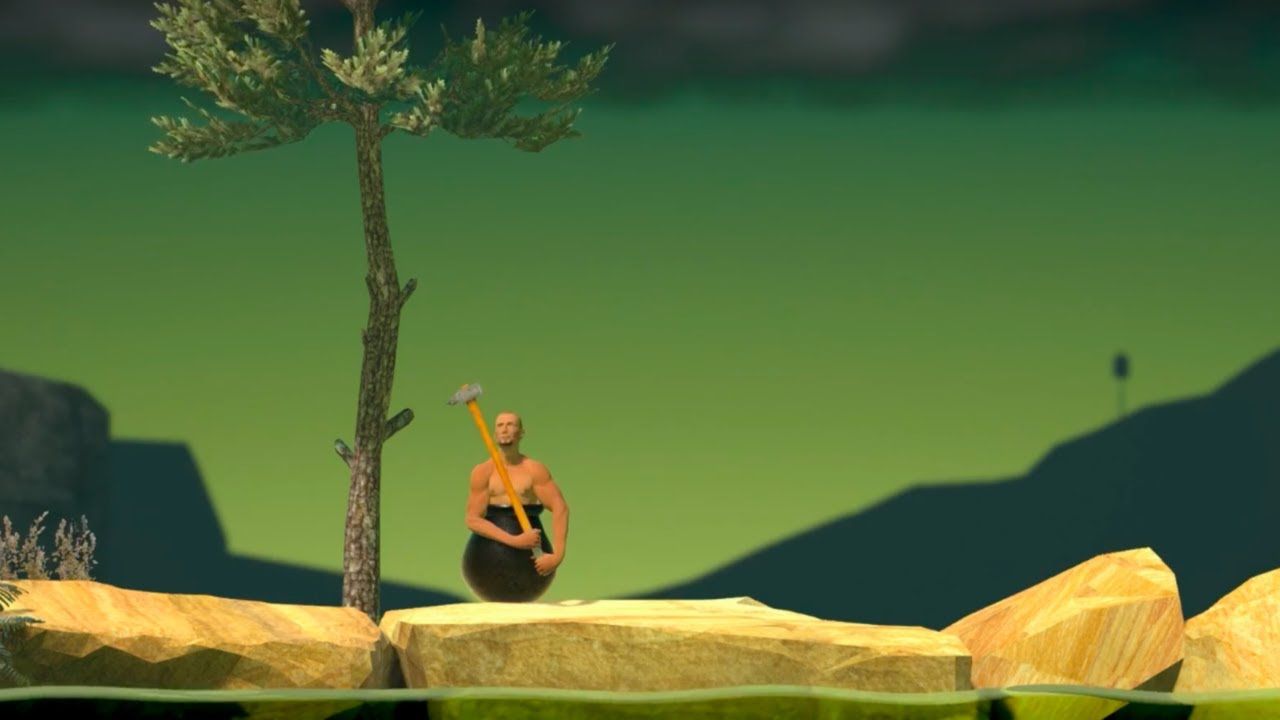
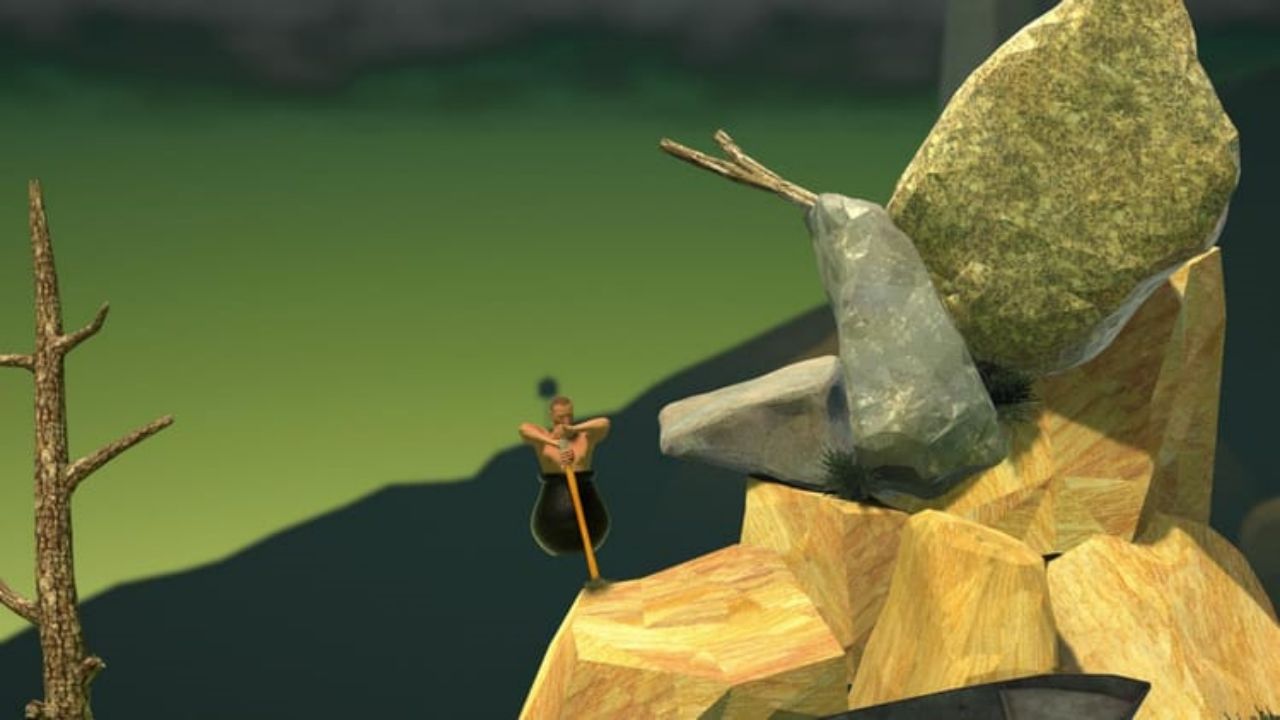
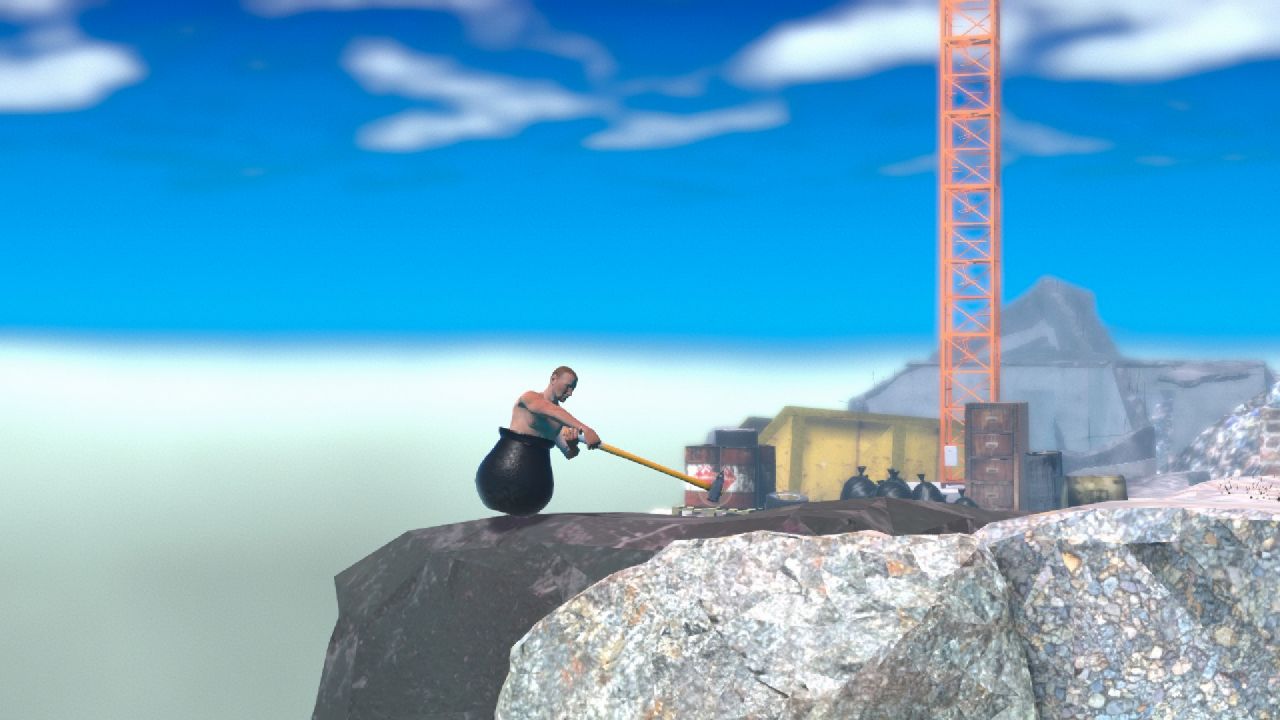
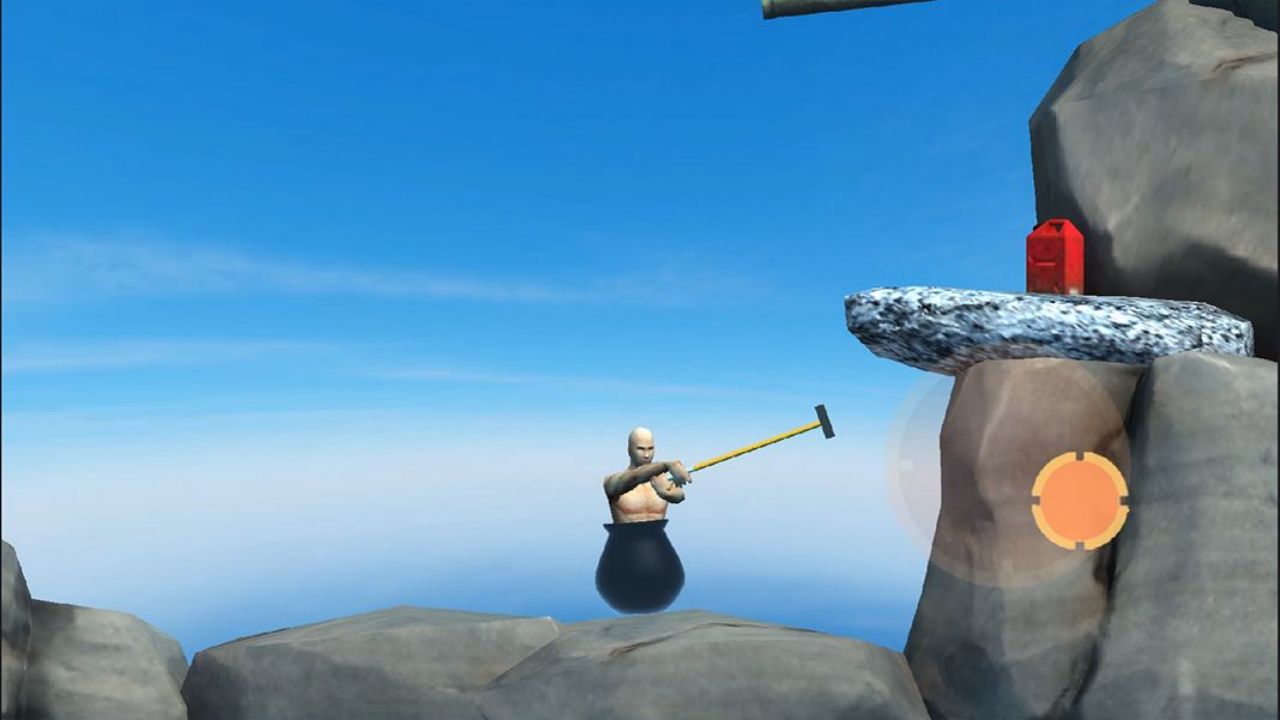
Getting Over It with Bennett Foddy is a unique and challenging indie game that was released in 2017. Created by developer Bennett Foddy, the game falls into the genre of a physics-based platformer. What sets it apart from other games in the genre is its deliberately frustrating and unconventional gameplay mechanics.The premise of Getting Over It is deceptively simple. Players control a man named Diogenes, who is stuck in a large cauldron and must navigate various obstacles using only a sledgehammer. The catch is that the controls are intentionally awkward, requiring players to master the art of swinging and climbing with precision. The game's setting is a surreal mountainside filled with junk and debris, adding to the overall sense of challenge and absurdity.The game gained widespread attention upon its release, largely due to its unique design and the frustration it induced in players. Its popularity was further fueled by the rise of content creators on platforms like YouTube and Twitch, who shared their experiences of triumphs and failures in the game. Bennett Foddy's commentary, delivered in a calm and philosophical tone, adds an extra layer of intrigue to the player's journey.One of the game's strengths lies in its minimalist yet visually striking design. The mountainside is a mishmash of discarded objects, creating a visually intriguing backdrop for the challenging gameplay. The intentionally crude graphics contribute to the game's charm, making it clear that the focus is on the experience of overcoming obstacles rather than flashy visuals.The game's difficulty is both a strength and a point of contention. While many players find the challenge exhilarating and addictive, others may be put off by the steep learning curve and the potential for frustration. Getting Over It has a polarizing effect, drawing in players who are eager to test their patience and perseverance while driving away those who prefer more traditional and forgiving gaming experiences.Bennett Foddy's inclusion of philosophical musings and quotes throughout the game adds a layer of intellectual engagement for players. These moments of reflection provide a counterbalance to the frustration, encouraging players to view their struggles within the game as metaphorical challenges in life. It's a unique approach that elevates Getting Over It beyond a simple test of gaming skill.Players control Diogenes, a man trapped in a cauldron, armed only with a sledgehammer. The objective is equally straightforward: ascend a surreal and treacherous mountainside by strategically swinging the sledgehammer and leveraging physics to navigate obstacles.The game's central mechanic revolves around mastering the art of precise movements and controlled swings. The player's ability to manipulate the sledgehammer determines their progress, making every climb a delicate dance between skill and frustration. The controls deliberately eschew conventional gaming norms, creating an intentionally awkward and disorienting experience. This design choice is both a strength and a source of vexation, as it forces players to adapt and refine their techniques continually.As players ascend the mountain, they encounter a landscape cluttered with discarded items, debris, and various challenges. The levels are designed with a haphazard aesthetic, contributing to the overall sense of chaos and unpredictability. The obstacles vary from precarious ledges and cliffs to swinging hammers and other hazards. Each section of the mountain poses its own unique challenges, requiring players to approach the game with a combination of strategy and adaptability.The character of Diogenes himself adds an element of quirkiness to the game. Stuck in a cauldron, he embodies the absurdity of the situation, emphasizing the game's overall tone of existential challenge. Bennett Foddy, the game's creator, provides a calm and philosophical narration throughout the journey, offering reflections on the nature of frustration, perseverance, and the metaphorical implications of the game's challenges. This narrative layer adds depth to the gameplay, encouraging players to view their struggles within the context of a larger philosophical exploration.What attracts users to Getting Over It is the unique blend of frustration and satisfaction that it offers. The intentionally difficult controls and challenging level design create an environment where every success feels earned. The game capitalizes on the viral nature of online content, as players share their triumphs and failures on platforms like YouTube and Twitch. This social aspect adds a layer of communal experience to the game, with the community collectively navigating the peaks and pitfalls of the mountain.The minimalist yet visually striking design is another draw. The mountainside, strewn with discarded objects and obstacles, creates a visually engaging backdrop for the challenging gameplay. The intentionally crude graphics contribute to the game's charm, emphasizing that the focus is on the experience of overcoming obstacles rather than flashy visuals. This emphasis on gameplay over graphics aligns with the broader trend in indie gaming, where innovation and unique mechanics often take precedence.